
China’s sports industry to top $980 billion by 2030
News
Dec 5, 2025
In recent years, China’s sports industry has undergone a dramatic transformation — evolving from a collection of scattered pastimes into a full-fledged growth engine for the national economy. According to new guidelines issued by the General Office of the State Council, China aims to grow its domestic sports sector to over 7 trillion yuan (roughly US$980 billion) by 2030.
Ambitious policy push and market targets
The 20-point policy package unveiled in September 2025 charts a comprehensive roadmap for expanding sports consumption, supporting sports businesses, and cultivating world-class sports events and enterprises. The plan encourages growth in multiple segments — including professional competitions, winter and outdoor sports, sports equipment manufacturing, and innovative activities like aviation and low-altitude sports.
In addition, the guidelines promote integrating sports venues into everyday urban spaces, extending operating hours, and enhancing immersive consumption experiences. Financial incentives such as consumption coupons and digital red packets are also proposed to attract broader public participation.
Explosive growth in participation, consumption and infrastructure
The effects of this push are already visible on the ground. China now boasts more than 4.23 billion square meters of sports venues — including over 1,500 newly opened sports parks. By 2025, the outdoor sports industry alone was expected to exceed 3 trillion yuan in value.
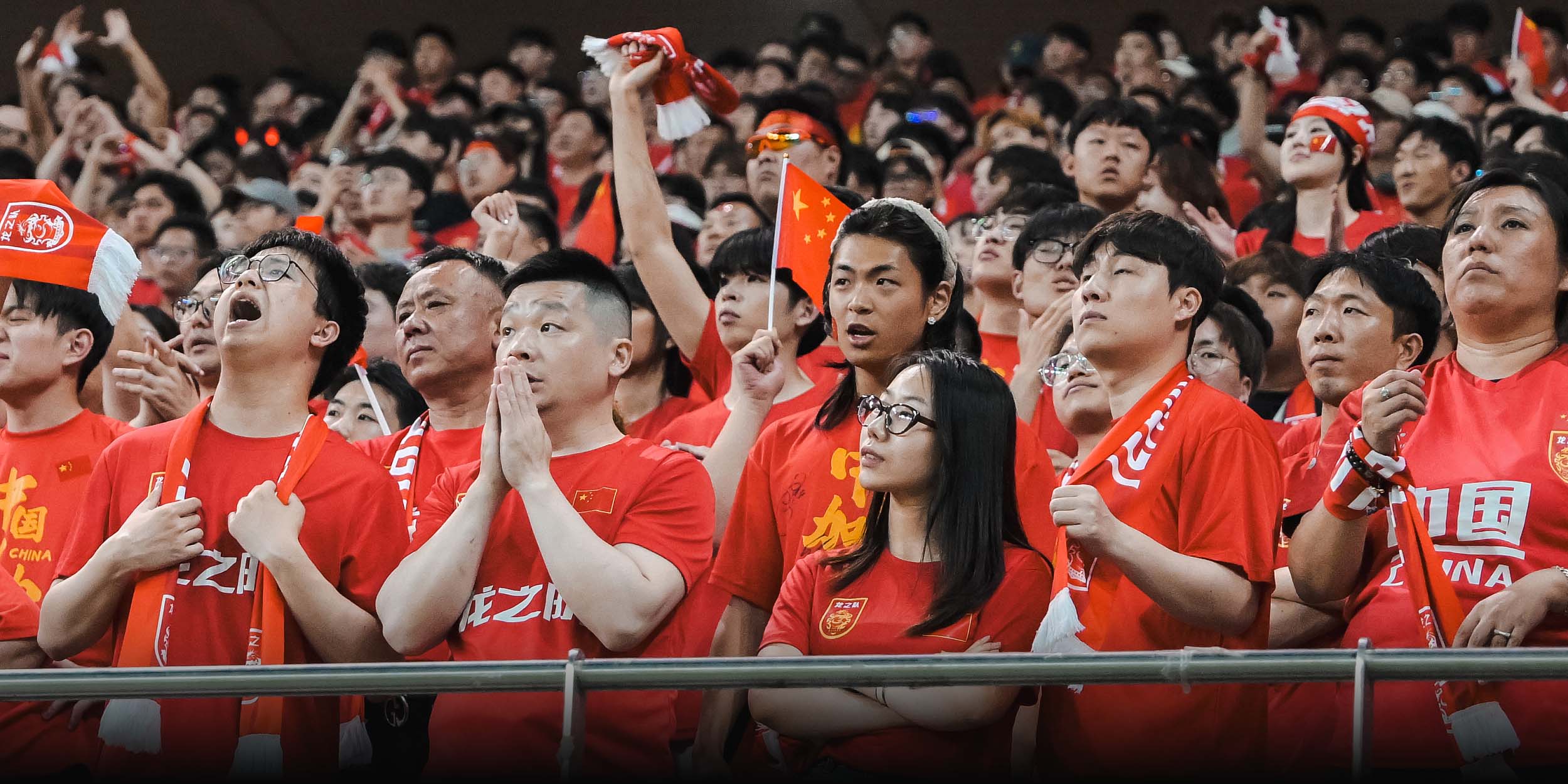
Fitness and leisure habits are shifting too. By the end of 2024, around 87.5 million people in China were gym members — a 25 percent increase year-on-year — reflecting growing interest in health and fitness among the population. Meanwhile, events are drawing significant crowds. For example, a recent match between Huai’an and Nanjing drew over 25,000 spectators — setting a new attendance record.
Sports economy driving broader consumption
The sports boom is creating waves beyond the fields and gyms. Event-driven spending is on the rise: spectator events, sports tourism, fitness services, and the growing demand for sports gear and equipment are generating new consumer markets. The manufacturing sector reflects this: there are now over 63,000 sports-equipment firms in China, and their output value has grown 34 percent since 2015.
At a grassroots level, local leagues such as the ZheBA Basketball League and the Suchao Football City League (Suchao) have attracted hundreds of thousands of spectators and generated substantial cultural and tourism-related revenue.
Experts say that between 2021 and 2023 the added value of China’s sports industry grew at an average annual rate of 11.6 percent, underscoring the robust expansion trajectory.
Towards a sustainable sports ecosystem
With official backing, infrastructure expansion, and growing demand, China is poised to build a mature, diversified, and sustainable sports ecosystem. This includes high-level competitive events, mass-market fitness and outdoor sports, sports manufacturing, and immersive consumption models. The emphasis on winter sports, outdoor activities, and new-type sports suggests the industry is broadening far beyond traditional team events.
Moreover, the industry’s expansion supports broader social goals — improving public health and quality of life, promoting leisure and wellbeing among urban residents, and fostering a culture of active living.
What this means for China — and the world
China’s ambitious sports-industry strategy signals a shift: sports is no longer a side activity — it is now a central pillar of economic and social development. For businesses, investors, and global sports organizations this represents major opportunity: from manufacturing and equipment supply to event management, tourism, and sports services.
For individuals and communities, it offers better access to fitness, recreation, and high-quality sporting events, and fosters healthier, more active lifestyles. As China moves toward its 2030 goal, millions more may find themselves cheering in stadiums, racing on mountains, or simply exercising in their local gym — part of a sweeping transformation in how the country plays and lives.